
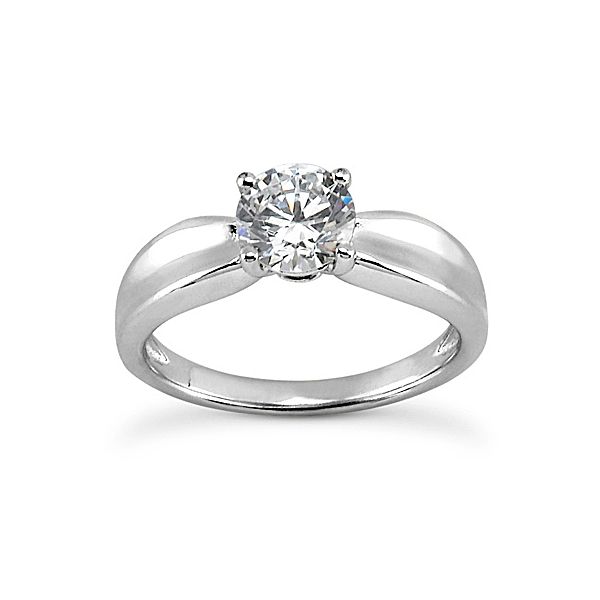
Engagement rings have long been cherished symbols of love and commitment, and in the context of the German royal family, they carry a significant weight of history, artistry, and cultural importance. The engagement rings of the German royals are not just exquisite pieces of jewelry; they embody the intricate narratives of power, heritage, and romance that define the legacies of one of Europe’s most storied aristocracies. Each ring tells a story, reflecting the era, the individuals involved, and the grandeur of the empire they represent.
The history of German royal engagement rings is as complex as the royal family itself. Initially, engagement rings in German culture were simple bands, often made from precious metals like gold or silver. These early rings symbolized the bond between couples but lacked the elaborate designs that later became synonymous with royalty. As the German principalities and kingdoms began to unify in the 19th century, the importance and opulence of engagement rings among the aristocracy grew, setting the stage for the magnificent pieces we associate with German royal families today.
By the time of the Prussian monarchy, engagement rings had transformed into symbols of status and wealth. The introduction of gemstones became prominent, with diamonds, sapphires, and emeralds often featured prominently in these exquisite creations. Each gemstone was carefully selected for its meaning: diamonds symbolized eternal love, while sapphires represented fidelity and wisdom. The intricate settings of these rings also reflected the exceptional craftsmanship of German jewelers, who employed techniques passed down through generations.
One of the most iconic engagement rings in German royal history belonged to Princess Victoria, the eldest daughter of Queen Victoria of the United Kingdom and Prince Albert. Upon her engagement to Prince Friedrich of Prussia, she received a stunning ring that featured an elaborate design with a large diamond at its center, surrounded by smaller stones. This ring not only represented their love but also symbolized the union of two powerful royal families, reflecting the political alliances that often characterized marriages among the aristocracy.
The turn of the 20th century saw the engagement ring evolve further, influenced by the Romantic movement, which emphasized personal sentiment and emotional depth in relationships. German royals began to favor more personalized designs, incorporating family crests or unique motifs into their engagement rings. This shift mirrored broader societal changes, as love increasingly became a central theme in the narrative of marriage, transcending the mere political expediency that had dominated previous eras.
The engagement rings of the German royal family also serve as important historical artifacts, with many being passed down through generations as treasured heirlooms. For example, the engagement ring of the last German Empress, Augusta Victoria, reflects the intricate designs of the early 20th century, characterized by elaborate gold work and stunning gemstones. These pieces are not just beautiful; they encapsulate the stories of the individuals who wore them, linking modern generations to their royal ancestry.
The tumultuous events of the 20th century, including World War I and the fall of the German monarchy, significantly impacted the legacy of royal engagement rings. Many royal families faced exile and loss of wealth, leading to changes in how engagement rings were perceived. However, the significance of these rings as symbols of love and commitment remained intact. Today, modern German nobility often looks back to these historic pieces for inspiration, blending traditional designs with contemporary aesthetics.
In contemporary society, the allure of German royal engagement rings persists. They captivate not only historians and jewelers but also couples seeking to incorporate a sense of history and elegance into their own engagements. The legacy of these rings continues to inspire new designs that honor the craftsmanship and artistry of the past while adapting to modern tastes.
In conclusion, the engagement rings of the German royal family represent a fascinating intersection of history, culture, and personal sentiment. From their humble beginnings to their intricate designs and rich narratives, these rings encapsulate the essence of love, power, and heritage within the royal tradition. Each piece is a testament to the enduring nature of commitment and the legacy of an empire in jewels, captivating hearts and inspiring admiration across generations. The legacy of these engagement rings continues to shine brightly, celebrating the timeless bonds that unite couples in love.