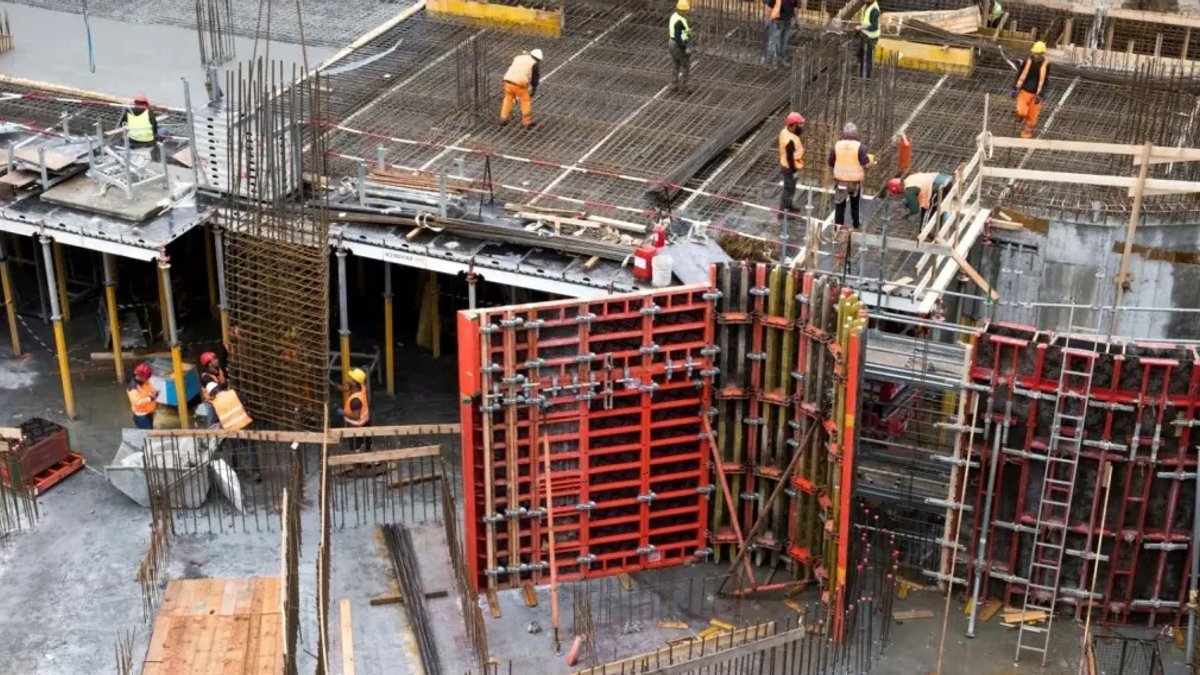
Singapore construction firms are reducing the number of technology tools they use, according to a 2026 report by Autodesk and Deloitte Access Economics. The average number of technologies used dropped from 7.3 in 2025 to 6.5 in 2026. This shift does not signal slower digitalization, the report says, but a focus on streamlining systems and reducing data fragmentation. Over 47% of Singapore construction workers use specialized tools weekly, placing the city-state third in Asia-Pacific behind Vietnam and Australia. Singapore is tied with Japan in this ranking, reflecting a broader regional trend toward balancing technological adoption with practical implementation challenges.
Related: Effective Ways to Track Office Employees’ Hours
Data analytics and cloud-based construction management software top the list of tools in Singapore, each used by 55% of firms. Mobile apps follow at 48%. Across Asia-Pacific, firms cut their median number of data environments and point solutions from 11 to 6, creating a better base for AI integration. The move comes as Singapore’s construction productivity lags, with value-added output per hour worked declining 3.8% from 2009 to 2023, according to SingStat data. This decline contrasts with stronger growth in other economic sectors, highlighting the industry’s struggle to align technological progress with operational efficiency.
Related: What Does a Venture Capitalist Really Do?
Experts say the focus on consolidation reflects a broader industry trend. “More tools don’t always mean better outcomes,” said one analyst. “Consistency matters more than quantity now.” Firms are prioritizing integration over expansion, aiming to reduce errors and speed up workflows. This approach may help offset productivity challenges, though the sector still lags behind other industries in economic growth. The emphasis on consolidation also aligns with the report’s observation that firms are increasingly prioritizing interoperability between systems, which reduces the risk of data silos and enhances collaboration among stakeholders.
Related: HOW TO CHOOSE INFLUENCER TO ENDORSE PRODUCTS ON INSTAGRAM
Despite the shift, technology remains central to operations. Cloud software and data analytics are still widely used, with Singapore firms ahead of many regional peers. The report highlights that while fewer tools are adopted, their application is becoming more strategic. This could help the sector meet rising demands for efficiency and compliance in the years ahead. The strategic use of tools is evident in the focus on automation for repetitive tasks, which allows workers to concentrate on higher-value activities, thereby improving overall project outcomes and reducing delays.





Leave a Reply